
Not long ago, SEO success was all about keyword placement, backlinks, and technical optimization. While these elements still matter, they are no longer enough on their own.
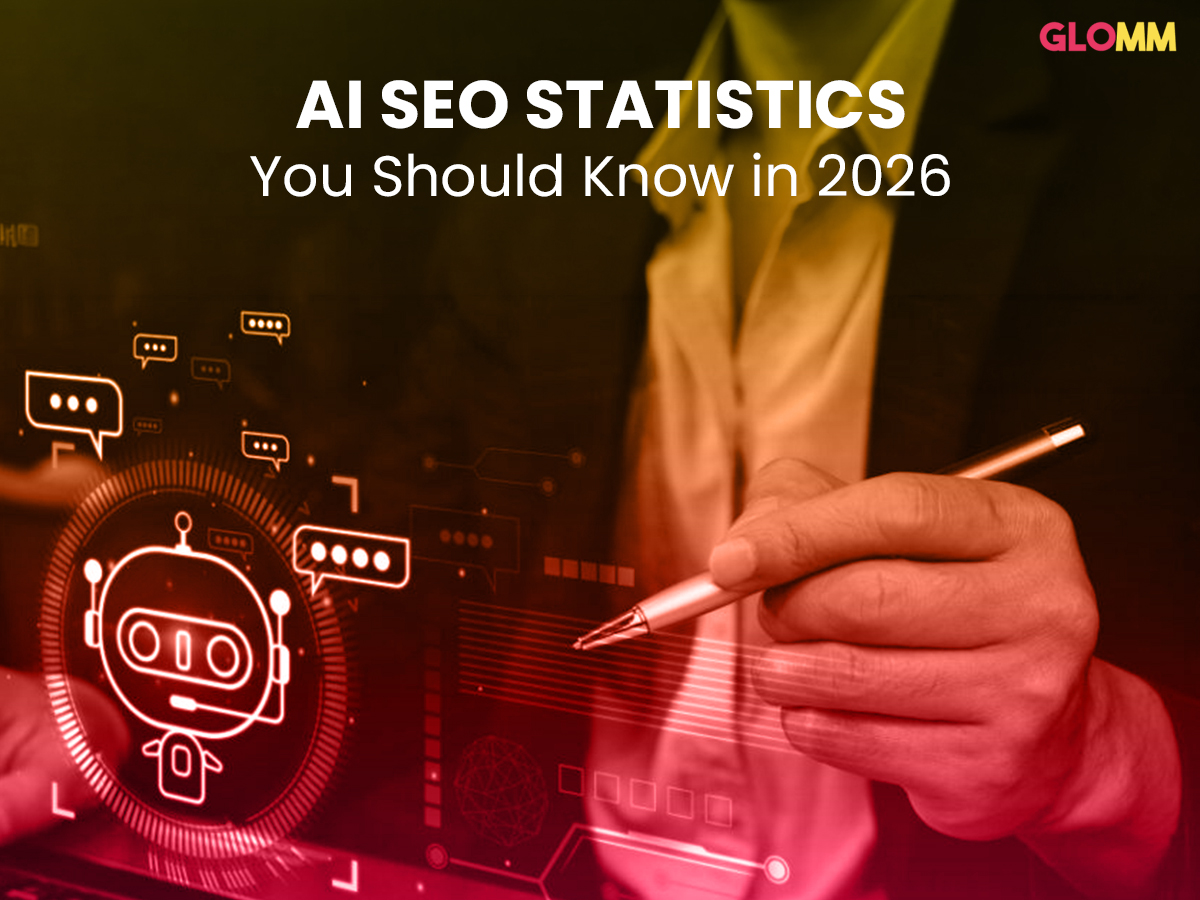
Search engines in 2026 are powered heavily by artificial intelligence. From understanding user intent to evaluating content depth, credibility, and usefulness, AI now decides what content gets seen, summarized, and recommended. Features like AI Overviews, zero-click answers, and AI-powered search assistants have completely reshaped how users discover information online.
One thing is clear: AI is not a trend—it’s the foundation of modern search.
If you want to stay visible, understanding AI SEO statistics is no longer optional. In this guide, we break down the most important AI SEO trends in 2026 and explain exactly how you can adapt.
Table of Contents
ToggleWhat Is AI SEO?
AI SEO is the use of artificial intelligence, machine learning, and natural language processing to optimize websites for modern search engines and AI-powered platforms.
Unlike traditional SEO, AI SEO focuses on:
-
Understanding search intent, not just keywords
-
Predicting user behavior
-
Evaluating content quality, accuracy, and relevance
-
Delivering the most helpful answer, often without a click
AI SEO helps automate keyword research, identify content gaps, improve semantic relevance, and create content that both humans and AI systems trust.
Why AI SEO Statistics Matter in 2026
AI SEO statistics reveal how search behavior is changing—and how visibility now works.
Search engines no longer rank pages only based on links or keywords. AI systems decide:
-
Which content appears in AI summaries
-
Which sources are cited or recommended
-
Which answers users see first
These insights help you understand what works, what doesn’t, and how users actually search today. Brands that ignore these shifts risk losing visibility—even if they technically “rank.”
Top AI SEO Statistics You Should Know in 2026 (And How to Adapt)
1. AI Overviews Are Dominating Search Results
Stat: AI Overviews appear in approximately 12.8%–18% of all searches, and the number continues to grow.
Why this matters:
AI Overviews provide direct answers at the top of the search results. Users often get what they need without clicking on any website. Rankings still matter, but visibility inside AI-generated answers matters more.
How to adapt:
- Write clear, direct answers to common questions
- Use simple language and structured explanations
- Demonstrate expertise with accurate, updated information
- Avoid keyword stuffing and long, vague paragraphs
Content that is easy for AI to interpret and trust has a higher chance of being featured.
2. Zero-Click Searches Now Account for the Majority of Queries
Stat: Nearly 60% of searches end without a click, as users get answers directly from AI results.
Why this matters:
Ranking on page one no longer guarantees traffic. AI answers, featured snippets, and instant summaries mean users may never visit your site—even if you rank well.
How to adapt:
Shift focus from clicks to search visibility and authority:
- Provide precise definitions and explanations
- Structure content so AI tools can extract key insights
- Focus on credibility, clarity, and usefulness
When your content becomes the source AI trusts, your brand still benefits—even without direct clicks.
3. AI Search Platforms Are Driving Rapid Traffic Growth
Stat: Referral traffic from AI-powered search platforms has increased by 357% year-over-year.
Why this matters:
Google is no longer the only discovery channel. Users increasingly find websites through AI assistants, chat-based search, and recommendation engines.
How to adapt:
- Track AI-driven referrals separately from traditional search traffic
- Optimize content for conversational and long-form queries
- Publish content that AI tools can confidently recommend
AI search has become a new acquisition channel—and it’s growing fast.
4. Most AI Search Traffic Comes From Non-Branded Queries
Stat: About 61% of AI search traffic comes from non-branded searches.
Why this matters:
Users don’t search for brands when using AI—they ask questions. They want guidance, explanations, and solutions. This creates huge opportunities for brands to be discovered organically.
How to adapt:
- Build topic authority, not just single articles
- Create in-depth content clusters around key subjects
- Answer follow-up questions and related subtopics
Comprehensive coverage signals expertise, making your content more likely to be recommended by AI systems.
5. AI Has Changed How Content Is Created—and Competes
Stat: 87% of businesses use AI for SEO content creation, publishing 42% more content each month.
Why this matters:
AI makes content production faster—but also more repetitive. The internet is now filled with similar, surface-level articles.
How to adapt:
- Don’t rely solely on AI-generated content
- Add original insights, opinions, and real-world context
- Focus on accuracy, relevance, and depth
Human perspective and originality are key differentiators in AI-driven search.
Key Takeaways: How to Win at AI SEO in 2026
- Search visibility matters more than clicks
- AI favors clarity, structure, and trust
- Topic authority beats isolated keywords
- Original, human-led content stands out
- AI SEO is about helpfulness, not hacks
Final Thoughts
AI SEO in 2026 is about being clear, credible, and genuinely helpful. When your content answers real questions better than anyone else, AI systems notice—and reward it.
If adapting to AI-driven search feels complex, working with an experienced AEO agency in Dubai like Glomm can help your brand stay visible across search engines and AI platforms while driving meaningful results.
Frequently Asked Questions About AI SEO
Can AI SEO replace traditional SEO?
No. AI SEO builds on traditional SEO fundamentals like technical optimization and content quality but goes further by focusing on intent, semantics, and AI-driven discovery.
Does AI-generated content hurt SEO rankings?
AI-generated content is not inherently bad, but low-quality or generic content can perform poorly. Human editing, originality, and expertise are essential.
How do AI Overviews choose content sources?
AI Overviews prioritize clear, accurate, well-structured content from authoritative and trustworthy websites that directly answer user questions.
Is ranking still important in AI-driven search?
Yes, but rankings alone are not enough. Visibility within AI answers, summaries, and recommendations is equally critical.